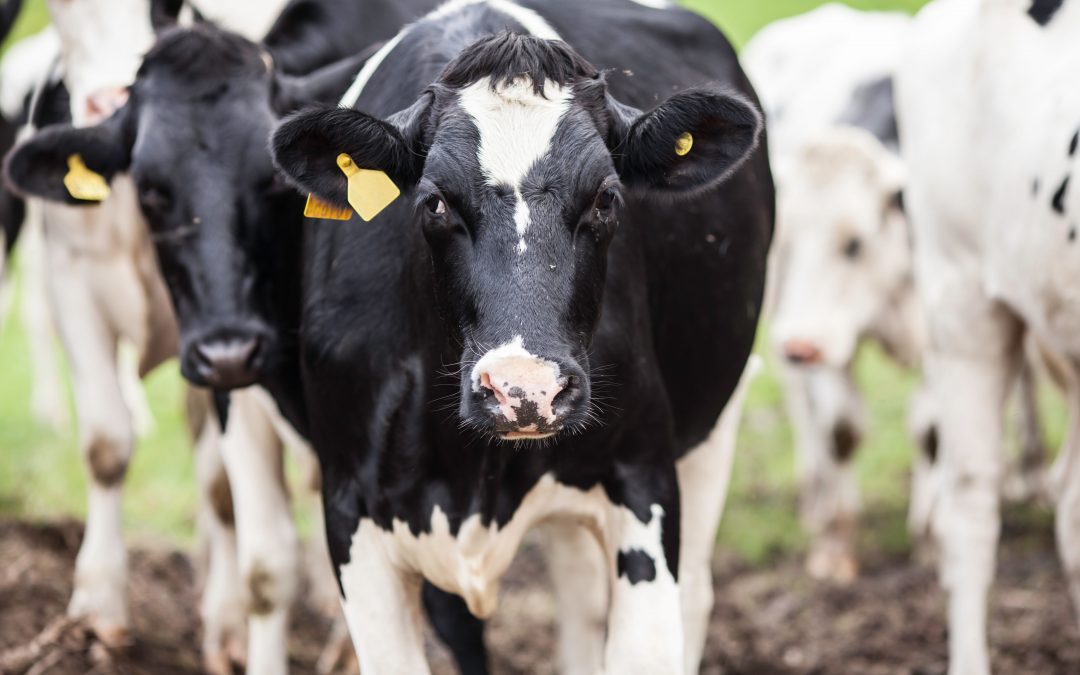
Dairy & Acne – All you need to know

Dairy & Acne – All you need to know

Dairy and it’s link to Acne is a topic that many people seem to be confused about. Some people are convinced dairy makes their skin worse, while some are just not sure.

We all have our individual needs and differences, however, we can’t just say ‘probably true’ and make wild guesses. So let’s look at what the scientific evidence says…

(click away on the links throughout this document for more info & the actual research studies if you’re a research geek like me!)
What is Acne?

It’s a skin condition, that affects between 50-95% of teenagers aged 12-18 years, and adults too. The main method of acne development is through the overproduction of skin oil (sebum) by skin oil (sebaceous) glands. The sebaceous glands are small glands in the skin which secrete lubricating oily matter (sebum) into the hair follicles to lubricate the skin and hair. 

Acne can be really damaging socially and emotionally for that individual. Several factors are involved in the development of acne including, genetic, sex-hormonal, disease fighting systems, mental factors, and the environment. Some say that western dietary habits, and in particular – cows milk and dairy products – add to acne development.

What research has been done?

Interestingly, a huge new study came out last month, which is the first large and high-quality study in this area. It was a “meta-analysis of observational studies” which is one of the highest quality study designs out there in food studies like this.

They basically searched huge scientific computer files of information for all of the studies published in this area (a very long process which I am very familiar with) and pulled the studies together to create one overall result.

The observational studies that they pulled together, are a study design where they watch large groups of people over time and look at their dietary intake through food recalls and food diaries. They then see who has/hasn’t developed acne. Observational study designs have their limits, but they are the easiest studies to try when looking at population diets and medicine based results like acne.
They found that dairy, total milk, whole fat milk, low fat milk, and skimmed milk consumption was connected with the presence of acne.

So what did they find?

They pulled together 14 observational studies looking at milk, cheese, yoghurt and total dairy intake. The study people ranged from 9-30years old from the USA, Brazil, Italy, Malaysia, Norway, France, Egypt, and Kazakhstan. They found that dairy, total milk, whole fat milk, low fat milk, and skimmed milk consumption was connected with the presence of acne.

The presence of acne appeared to increase with increasing intake of dairy. The low fat products tended to have more of an effect on acne development than the whole milk. Potentially related to the glycaemic index (higher concentration of milk sugars) in the low fat products. But these are speculations. There was no relationship between yoghurt or cheese intake and the presence of acne.

I know what you are thinking… now you want to cut out dairy. But hold fire!!

There were some limits to this study.

Firstly, when looking at individual dairy products (milk, cheese, yoghurt etc.) the number of studies available was very low. For example, only 4 studies looked at low-fat milk, and five at full-fat milk. 

Secondly, there were other factors that could have been related to acne development, that were not recorded in the study. For example, genetics, sex-hormones, disease fighting systems, mental factors, and the environment. The association between acne and dairy could therefore, have happened together by accident. 

Some of the studies identified acne based on self-reports, rather than official diagnosis by a doctor. A few pimples could therefore, have been mistaken for acne.

Finally, there was lack of data on the preparation of the milk which differs from factory to factory and country to country. In fact, we know that boiling and ultra-heat treatment (UHT) techniques have a protective effect against acne. No studies were done in UK population groups!  

How does milk actually affect the skin?

It has been identified that milk and dairy can increase our growth chemicals (hormones) in our body (IGF-1).  IGF-1 is a growth chemical that stimulates growth, cell reproduction, and cell regeneration. Milk and dairy products contain IGF-1 that is not broken down by gut enzymes and leads to IGF-1 elevation.

Also, a protein called casein in milk and dairy products stimulates our liver to release IGF-1. Subsequently, this leads to an increase in the production of skin oil by our skin glands. Also, milk contains some sex hormone derivatives and iodine which have been identified to affect acne development.

So should you avoid dairy if you have acne?

I’m going to start by saying… not right now. Firstly, while this study was the largest and highest quality to date in this area, it still had its limits that I have given above. Further studies, especially randomised controlled trials are needed. This is where they randomly assign groups to eat dairy compared to not eating dairy in controlled conditions.  These will help to confirm the effect of milk and dairy products on acne development.

Secondly, milk is a very nutritious source of protein, calcium, potassium, magnesium, vitamin A and B12 and is recommended as a part of healthy diet. Previous high-quality studies have showed that milk and dairy products can help reduce the risk of high blood pressure, stomach cancer, stroke and colorectal cancer.

Summary…

Although the large review does suggest a promising link between dairy and acne development, the studies included in the review had their limits. We therefore, cannot say there is an exact causal relationship without further studies.

Everyone’s reactions to what we eat are very personal and therefore, if you are someone who wants to trial changing your diet, it’s important to follow the guidance of a qualified professional. There is unfortunately no one size fits all. I offer FREE 20-minute discussion to advise on things like this!

Also, if you are thinking of going more plant-based and reducing your dairy intake, it’s really important to choose milks that are fortified with calcium.

Finally, we must remember that diet is not going to fix acne alone. Seeking advice from a doctor or consultant dermatologist is a good place to start! 

Link to more info:

(Links highlighted throughout the text)

NHS Choices Acne

The large meta-analysis I have referred to throughout this post
Apple Cider Vinegar – All you need to know

Apple Cider Vinegar – All you need to know

I have been asked multiple times recently about apple cider vinegar. Will it help me lose weight? Will it settle my stomach/heartburn? Will it help with blood sugar control? Will it lower my cholesterol? Will it help with inflammation? So I thought I would clarify some things for you.

What is apple cider vinegar?

It’s made by fermenting the sugars from apples which turns them into acetic acid – this is the active ingredient in vinegar that is researched. You may see both cloudy or clear vinegars in the shops, labeled as filtered or unfiltered.

The unfiltered products contain something known as ‘mother’, which apparently has more proteins, enzymes and friendly bacteria in it, giving the vinegar its cloudy appearance. There is not enough research at the moment to demonstrate whether the ‘mother’ variety is any better than the clear. 

What’s good about this stuff?

1) If you fancy your dentist, drinking this stuff will give you a great excuse to keep going back! 

2) If you need something sharp to wake you up in the morning, this may do the trick.

Joking aside…

3) It’s a good way to spice up your meals without adding salt

4) It contains very small amounts of potassium, copper and magnesium – minerals help turn the food we eat into energy and support controlling the movement of fluids into and out of cells.

5) It provides a small amount of amino acids (building blocks for protein) and antioxidants, which help slow the process of cell damage.

So what does the research say?

1) Will it help with weight loss?

The evidence to support weight loss is mixed and in general, there is very little research conducted on humans. There has been some evidence that vinegar may help to increase the feeling of fullness when consumed with a high-carb meal, which could help with weight loss by preventing overeating later in the day.

A 12-week study conducted on 155 Japanese individuals also found a reduction in body weight, BMI and visceral fat in obese individuals who drank between 15-30 mls per day.

Final verdict: More research is needed before we can confidently make the claim that apple cider vinegar helps with weight loss. If you are having battles with your weight and looking for the answer to feeling better about yourself and your body you can find more about how I support with this here.

2) Will it help lower your cholesterol?

There appears to be no research that has been conducted in humans to demonstrate whether it can support lowering cholesterol. One study has been conducted on rats which demonstrated

To date, only research in animal studies has demonstrated that apple cider vinegar, and its antioxidant chlorogenic acid, can help manage cholesterol and triglyceride levels, which is not robust enough for us to say that this would also be the case in humans.

Final verdict: No studies have been conducted in humans so we don’t know.

3) Will it help your blood sugar levels?

There have been a number of small studies that have demonstrated how vinegar could help improve insulin sensitivity in both healthy subjects, and those with insulin resistance.

Insulin is a hormone which helps control our blood sugar, therefore, if we are more sensitive to it, then that’s a good thing. One study included a small number of participants (29), identified that drinking 20ml of apple cider vinegar with a high carbohydrate meal (white bagel with orange juice), reduced the spike in blood sugar after the meal versus the group who did not consume the vinegar with the meal.

Before we can say that apple cider vinegar helps with blood sugar control, further and larger studies in different groups of people are required.

One small pilot study (12 participants) published by the American Diabetes Association identified better blood sugar control in those taking two tablespoons of apple cider vinegar before bed. They didn’t look into the damaging effects this could have on your teeth though. 

Finally, Michael Mosley and Aston University carried out a small study and showed that drinking dilute apple cider vinegar appeared to bring blood sugar levels down. 

Final verdict: There is some evidence of benefit, but these studies are small, and large amounts of vinegar would need to be consumed on a daily basis to show benefit, which may have a detrimental effect on other things… like your teeth!

There is no evidence that apple cider vinegar can reverse diabetes, and there is a whole body of research to support of other healthy things you can do to improve blood sugar control aside from sipping vinegar!

4) What about heartburn?

Some people report that apple cider vinegar helps with their heartburn, which, if they have low stomach acid, may be of benefit. However, if you are someone who suffers from high acidity in your stomach, this may make your symptoms worse.

Foods that affect heartburn is often a matter of trial an error and is very individual. One small study with 7 participants in America did find that cloudy apple cider vinegar helped with preventing heartburn in those who did not respond well to antacids, but more research is required in this area.

The verdict: It could make it worse, could make it better… we don’t know. 

5) Will it help with arthritis and inflammation?

There appear to be just anecdotal reports of people claiming to feel better and having less pain from arthritis when drinking apple cider vinegar. Unfortunately, there are not currently any scientific reports supporting this claim.

One very small study (30 participants) did measure C-reactive protein (a marker of inflammation) before and after apple cider vinegar consumption and did not find remarkable results.

The verdict: I have a hard time giving recommendations based on purely anecdotal evidence. If you think it works for you, I think that’s just great.

Are there any risks?

Yes…

  • If you suffer from gastroparesis, (slow emptying of the stomach), this may make your symptoms worse. 
  • If you are diabetic, especially on medications that lower your blood sugar, there is a risk of potential low blood sugars. Speak with your healthcare professional for more information on this.
  • Apple cider vinegar can affect potassium levels in the body, and also interact with drugs such as diuretics, or other water pills. Check with your pharmacist or doctor for more information.
  • As apple cider vinegar is an acid, it can damage the enamel in your teeth. Avoid taking it neat, or sipping it throughout the day.
  • We don’t know much about the long-term effects of taking apple cider vinegar.

In summary…

Although some studies do suggest promising effects, there are generally few, they are small and often conducted in rats. If we could prove all of the amazing benefits that unqualified individuals splash around the internet, doctors would be handing this out to nearly every patient who walked through their door!

If you do wish to include apple cider vinegar in your diet, I would recommend either including it in salad dressings with olive oil, marinades, sauces or baked goods and not drinking it by the glass!

Juice & Detox Diets – All You Need To Know

Juice & Detox Diets – All You Need To Know

Juice & Detox Diets – All You Need To Know

When trying to lose weight, it may feel like an easier option to go for the quick fix of a juice detox diet for a few days.

Whilst they aren’t particularly enjoyable, there may be some pros. 

1) You get to take time off work and do nothing, because the headaches, fatigue, irritability, and potentially messed up stools mean you will not be wanting to leave home!

2) You drink less alcohol, caffeine, and more water! You also probably eat more fruits and vegetables than normal.

That’s about it! 

The reality of how the Detox Diet cycle goes:

1) You feel bad about your body/self

This feeling can occur when you’ve overindulged over a holiday period (e.g. bank holiday, family holiday, Christmas, birthday, easter), OR, you have an event coming up like a wedding, holiday, party, or just summer in general and want to feel better.

2) You decide to go on a detox diet as you believe this will make you feel good

It’s also quick, easy to follow, and way more exciting than “everything in moderation” that you may hear from a registered dietitian or healthcare professional. 

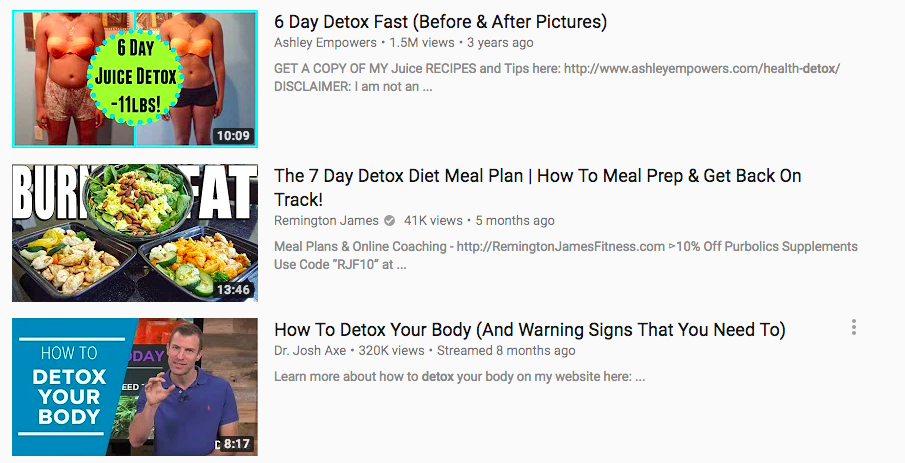
You sift the internet or speak to friends/colleagues about what juices/cleanses may have worked for them. In fact, 20% of young people head to YouTube for nutrition advice these days, and apparently, if it’s backed up by a health blogger, then that’s all the evidence needed – sigh! You then buy overpriced supplements or juice cleanse packs that are not backed up by science.

Examples of the fads…

3) Restrict and deprive yourself for a period of time

This could be 5 days, 10 days or more… it depends on which detox plan you get your hands on. It’s not expected you will be productive, be able to concentrate or be a nice person during this period! You will spend much of your time irritable, with headaches, or asleep!

4) Break the diet, or emerge from your cleanse, overeat or eat anything but is in the boundaries set in your diet

You emerge from your hibernation from food, with a little less fluid and muscle mass than you did at the start. You learn that chewing food actually feels quite good, it’s sociable, tasty, and gives you the energy and nourishment you need to be your best!

5) Feel guilty/ashamed/distressed about this whole cycle, which may feed back into point number 2…and the cycle continues. 

Once you’ve broken the cleanse or diet, you feel a failure… not ever considering that the diet actually failed you!! You may then start the cycle again at point 2, or if you have done this enough times, you reach out for some proper advice. Something realistic, tailored, and sustainable!

If you are fed up with battling with your weight, or binge eating, emotional eating, stress eating, yo-yo dieting, check out my FREE download. This will guide you through some of the first steps of intuitive eating to help resolve your food problems.

This article is not intended to provide individual advice, and it’s important that you seek support from a qualified professional. 

Useful links:

The Truth About Detox Diets 

Does Soya Cause Cancer?

Does Soya Cause Cancer?

Does Soya Cause Cancer?

Firstly, what is soya? Soya beans and products have become a hot topic recently in the rise of more plant-based diets and in particular the link between soya and cancer. Soya beans are are a popular, and cheap legume, native to East Asia. Soya contains a good amount of protein, fibre, potassium, magnesium, copper and manganese. It is also one of the few plant foods with all the amino acids your body needs to make protein, plus, they are a good source of healthy fats, containing both the omega-6 (linoleic acid) and omega-3 (alpha-linolenic) types. Soybeans can be found in many forms, including tofu, the beans themselves (also called edamame), soy milk, miso, and soy powder.

What are the concerns?

Concerns have been raised due to the fact that soya has weak oestrogen (female hormone) like compounds called isoflavones naturally occuring in them. It’s thought that oestrogen can promote the developement, growth and spread of some cancers, and so research has been conducted into whether soya and cancer are linked, and in particular, breast cancer.

What does the research say?

One small study conducted in 2014, suggested that for some women, adding a medium amount of soy to their diets turns on genes that can cause cancer to grow.

The study involved 140 women who were newly diagnosed with stage I or stage II breast cancer between 2003 and 2007. For 2-3 weeks prior to surgical removal of the cancer, the women were randomly assigned to eating:

  • soy protein (70 women) approx. 50g
  • a placebo that looked like the soy protein (70 women) approx. 50g

Once the cancerous tissue had been removed and analysed, the results showed that several genes that encourage cell growth were turned on in women in the soy protein group. However, as with most research, ther study had limitations. The study didn’t last long enough to know whether these genetic changes would cause cancer to actually grow. The study also didn’t look at whether soy does or doesn’t reduce the risk of breast cancer, or whether eating soy would have any effect on women who don’t have breast cancer.

The researchers could not conclude that soy should be avoided, and they could therefore not confirm a clear link between soya and cancer.

So should I avoid it?

The current advice is no. The American Institue of Cancer Research and the World Cancer Research Fund for cancer prevention have reviewed the evidence extensivley in this field. Evidence shows that soya does not increase the risk of breast cancer, breast cancer recurrence, or any other cancer. Soya and cancer, and it’s possible effects on health is an active area of research.

How much can I have?

In general, it is fine to eat moderate amounts of soy foods – about one to three servings per day as part of a balanced diet (a serving is about a half cup). If you’ve been diagnosed with breast cancer and are concerned about any isoflavone effects, ask your doctor or a Registered Dietitian for further and more individualised advice.

In summary

Research on soya and cancer, and soya foods is ongoing, but it is clear that soya is nutritious, safe and healthy. Other potential health benefits include lowering cholesterol and even reducing the severity of hot flushes in women going through the menopause. Soya foods can also help us to achieve an increasingly plant based diet by reducing our intakes of animal protein which can also benefit the environment and food sustainability.

Links to further information on soya and cancer:

World Cancer Research Fund Breast Cancer Prevention

World Cancer Research Fund – General Guidance

American Institute of Cancer Research

Craving carbs before your period – Is there any science?

Craving carbs before your period – Is there any science?

Article edited & republished March 16th 2021

Craving carbs before your period – Is there any science?

Do you find yourself craving carbs before your period? Is PMS sabotaging your ability to eat well? So many people who menstruate experience food cravings and an increased appetite around menstruation. Is there actually a science-backed link between periods and food cravings or is it all just in our heads? Let’s #StripTheNonsense and discuss what might be causing those food cravings, as well as some strategies to manage them.

Do you find yourself craving carbs before your period? Is PMS sabotaging your ability to eat well? So many people who menstruate experience food cravings and an increased appetite around menstruation. Is there actually a science-backed link between periods and food cravings or is it all just in our heads? Let’s #StripTheNonsense and discuss what might be causing those food cravings, as well as some strategies to manage them.

PMS Explained

Premenstrual Syndrome (PMS) can be characterised by various symptoms in the 1-2 weeks before your period. They are usually relieved a day or so after bleeding begins. These include mood swings, irritability, increased appetite, carbohydrate and alcohol cravings, breast tenderness, headaches and bloating. Some of us get intense symptoms and lots of them, whilst other people won’t notice any.

Prior to menstruation, progesterone and oestrogen levels fall; this is what causes our uterine lining to shed and bleeding to occur. The sudden drop in hormones is associated with the onset of PMS symptoms. 

Do all people with cycles tend to eat more around their period?

You are not alone if you find yourself with a ferocious appetite or craving carbs before your period. Below, some of my clients describe their experiences around that time of the month:

“I definitely have a week of my cycle where I am much hungrier and also much more emotional at the same time – which when I am judging myself does not always end in kindness…”

“When my hormones change throughout the month I notice I’m grumpy/sad/tired. I’ve also noticed a link between my mood and not eating intuitively or (more accurately) numbing my feelings with food”

A review of 30 studies (Dye et al. 1997) looked at women’s energy intake at different phases of the menstrual cycle. They identified, that in 27 out of 37 groups of women, energy intake was higher in the second half of the menstrual cycle (day 14-28), before their period was due.

It demonstrates how common increased appetite and food cravings are around our periods. Some research suggests that this could be because calorie requirements may be slightly higher at this time. However, the results are varied and further studies need to be conducted in humans. More research is also required to determine whether sex hormones interact with hunger hormones to control changes in appetite over the course of the menstrual cycle. Hunger hormones tell us when we are hungry, and when to stop eating.

Craving carbs before your period – what types of food are we most likely to crave?

Can’t stop thinking about sugar or find yourself craving carbs before your period? This is certainly the case for many of my clients so if you find yourself in the same boat, rest assured you’re not alone.

The science on the types of foods we tend to crave is inconsistent (Davidsen et al. 2007). Different studies have determined that in the build-up to our period (1-2 weeks), our intake of all three macronutrients (carbohydrate, proteins, and fats) is increased.  Two studies have identified that chocolate cravings seem to be more frequent in the build-up to a period, than at any other time of the cycle (Hetherington et al. 1993, Rozin et al. 1991).

In reality, it is challenging to interpret data when it comes to what type of foods we crave.  For example, say we crave and end up eating a doughnut, was it the carbohydrate, or fat in the doughnut that we were after? Who knows!


4 Tips to combat increased appetite and cravings 

  1. Keep those blood sugar levels steady:

Our blood sugar levels are influenced by what, and how regularly we eat as well as certain hormones. Levels of hormones that affect our blood sugar levels change throughout our menstrual cycle. This may contribute to wanting more food and cravings around our periods. We can help to combat blood sugar fluctuations and craving carbs before your period by:

  • a) Eating regularly: Try to eat something every 3-4 hours to help prevent dips in your blood sugar. Most people find that leaving more than 4 hours between meals can result in feeling overly hungry, which may result in overeating later in the day. 
  • b) Choosing Low Glycaemic Index (Low GI) foods–  Ensuring each meal and snack contains low GI carbohydrates may help with PMS symptoms by maintaining an even blood sugar level and lowering inflammation. Such a diet may also help reduce food cravings. See here if you would like to learn more about GI.

  • c) Eating protein and fats with your meals – and ideally your snacks too. When a meal contains protein, fat and low GI carbohydrates, this contributes to keeping blood sugar levels stable. It also promotes feelings of satisfaction after eating. Protein can keep us feeling fuller for longer as they mix with the carbohydrates in your stomach, and slow down their absorption. Fats provide flavour and contribute to satiation. If you feel satisfied and full from your meals and snacks, you’ll be less likely to experience cravings.

2. Don’t restrict yourself

Restricting the amount or types of food we eat is guaranteed to lead to eating past the point of comfortable fullness down the line. It can lead on to feelings of guilt and shame and feeds into the diet cycle. 

Labelling foods as ‘good’ or ‘bad’ is also a big factor that can lead to feelings of restriction. Of course some foods are more nutritious than others, but labelling foods as bad and good can make you feel good for eating the ‘good food’ and bad for eating the ‘bad foods’. This can again fuelling into the diet cycle.

Rather than labelling foods as ‘good or bad’. try using ‘every day foods’ and ‘celebratory/occasional foods’. Or just call the food by its name. E.g. an apple, or a croissant.  It’s normal and healthy to enjoy delicious celebratory or comforting foods alongside nourishing your body with good quality foods that you enjoy.

    3. Give yourself some grace

    We have already seen how normal PMS symptoms, including appetite changes and cravings, are. We can certainly take the steps above to minimise contributing hormone fluctuations but remember, people with menstrual cycles are cyclical creatures. We can choose to see our fluctuating moods, emotions and appetites as curses. But the end of the day they are natural.

    What if, we chose to see these symptoms as an invitation to slow down, rest, listen to and be with our bodies?

    When we try to resist what we are feeling and will it away, often we actually create more tension. This may lead to us feeling worse and perhaps increase our desire to eat emotionally which can lead to more feelings of guilt and shame and the cycle continues. Conversely, when we give ourselves some time (even just a couple of minutes) to pause, tune-in and sit with our feelings, they will usually pass. For more information on emotional eating see here.

    4. Take steps to reduce stress levels

    Stress is also a big one that can affect pretty much all of our bodily functions, including our menstrual cycle hormones. Stress reduction techniques like diaphragmatic breathing, mindfulness meditation and nature walks alongside regular physical activity and getting 7-8 hours sleep each night can help reduce stress and the severity of PMS symptoms.

    So in summary…

    When it comes to periods and in particular, craving carbs before your period, you are not on your own. Whilst in the two weeks lead up to your period, you may find that you feel a little more hungry, we do not know whether this is the body actually needing more energy, or whether it’s just our hormones causing cravings. More research is required. But don’t worry, there are still things you can do, and I have provided you with some top tips to ensure you feel equipped to nourish your body with what it needs and take care of yourself around that time of the month.

    If you battle with PMS-related food cravings, click here to download my free Period Self Care Guide, to learn more strategies to nourish yourself during that time of the month.